
Problems with top loader washing machines can arise at any time. You may not even think before using it, and it can give birth to mold. There is no time to imagine it because the machine is not a reservoir. I have an old client named Elena in Raleigh, North Carolina. She called me one day and complained that there was a smell coming from her washing machine and laundry. Even black spots were seen on the machine doors. I understood the matter and explained that the mold on her machine door’s rubber seal was born. It looks black and smells terrible. I advised Elena how to remove the mold from the rubber seal of the washing machine. She acted on my advice and succeeded in removing the mold from the rubber seal.
The main reason why a washing machine’s rubber seal mold is affected is that it is always driven in constant humidity. If you can’t get rid of the mold quickly, the mold will develop an odor throughout the machine, and the clothes will smell too. There are some proven treatments to remove this mold, one of which I suggested to Elena. I describe below how you can read the mold from the washer’s rubber seal or anywhere else.
How to Get Purge of Mold and Smells in Top-Load Washers?
Sometimes your washer may spread a bad smell. That is so disgusting, and nobody wants a stinky washer. That may leave a stink in your clothes as well. So, it is mandatory to remove the bad smells and make the washer smelling fresh again. Among the reasons for your washer spreading an awful smell, molds are the most irritating and disgusting reason. Then, you have to Remove Mold from the rubber seal on the washing machine. But, this is not the only reason.
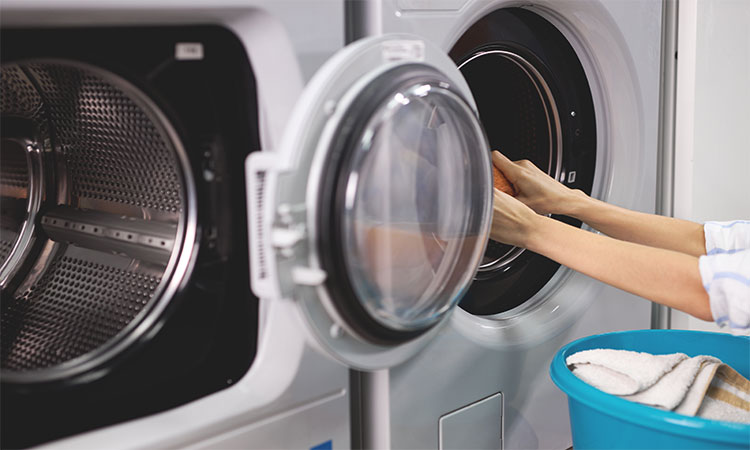
It would be best if you cleaned some more things from your washer. Do the followings :
The most common reason for a stinky top load washing machine is the gaskets being dirty. It would be best if you retained them clean. Clean all around the gasket of your front load washer with mild soap or cleaner mixed in hot water. Or a spritz can also clean the dirt. You should better use an old towel or a rag to wipe the gasket. Remember to clean underneath also.
Besides, it will be useful to be prepared for some dirty things or sludge around. You may find one or two stray socks also. The second thing you can do is to clean the detergent dispensers. Remove detergents from them. Now, scrub and clean them as much as you can. You can use a bottle or pipe cleaner to clean the corners.
Now it’s time to clean the washer tub. Run an empty cycle, the most extended cycle. Also, run the hottest water. You may use any cleansing agent. For example, use bleach, baking soda, or ½ cup powdered dishwasher. Other commercial residue building washer cleaner can also be used. Run another cycle with clean water. If it still smells bad, repeat the process.
After doing all these things, if your washer is still stinky, something else is happening to the washing machine. The drain and filter can be clogged, or molds have build up at the back of the gutter. If you can take care of these, it’s great. Or don’t hesitate to call an expert as well.
How To Clean The Rubber Door Seal?
Rubber seals are always the first thing to be dirty and slippery, especially your washing machine. So, it would be best if you scrubbed them regularly. Whether you are just trying to clean the washer or make the stinky smells disappear, rubber seals should be positioned at the top of your consideration.
The rubber seal can be in different locations according to the type and model of your washer. Most front load washer has it around the drum, and it will appear as a ring shape rubber seal. If not found there, it would be inside the door. Open the washer door and find out where your one is.
Now make a solution, actually a cleaning agent. It’s very easy! You need apple cider vinegar and water—nothing else. Add ½ cup of apple cider vinegar with ½ cup of water and mix them well. Pour the solution into a spray bottle. Then spray the answer to the seal and wait at least 2 to 3 minutes. It would be best if you let the solution sit.
Then get a washcloth or scrubber to scrub the rubber seal. A dish scrubber brush would be best. Most seals have multiple flaps. So, take some time and clean properly. Peel the layers one after one to reveal the hidden areas. Clean them properly. Keep the door open for 1 to 2 hours to dry.
I have seen some people use chlorine bleach. But I’m not too fond of these. Chlorine bleach leaves a harsh fume in the washing room. I find the apple cider more effective.
How to Prevent Mold in Washing Machines?
There are several ways to prevent mold growth in your washing machine. The main secret is to maintain hygiene. Besides, following some rules is also a must.
The very first thing you should do is to choose the detergent to use. Not only the right type but also need the right amount. Washing machines are so sensitive to a small alteration of cleansing products. For example, if you are using a High-efficiency washer, it must use a HE or High-efficiency detergent. Non-HE detergents, even too much detergent, make many suds, which in turn promote molds to grow.
After you run a wash cycle, either for washing clothes or cleaning the drum, leave the door open till drying. If the door is closed, leaving the washer wet, molds will build up very soon. As you know, moisture and damp area allow mildew to grow faster—one more thing to consider here. After washing your clothes, remove them as soon as possible from the washer. That would not only help the washer dry quickly but also the clothes won’t smell bad.
Again the door gaskets here. Keep them clean and dry. Use mild cleaners to wash them regularly. At least cleaning them once a week is mandatory. Add this to your daily routine. This way, you won’t have to face any slimy or slippery dirt or any sludge things to clean, which is so disgusting. Clean the gaskets regularly will prevent them from growing.
Another way is to use a dehumidifier. The place where you mostly work with water stays more dump than the other rooms. This environment is good for mold growth. So, the washing room is. Keeping them dry prevents mold growth and keeps the environment healthy. Plus, the dump environment outside somehow promotes molds to build up inside the machine.
Is Vinegar More Effective Than Bleach?
Many people have been querying which is better to kill molds, vinegar, or bleach!
The answer is vinegar. The EPA or Environmental Protection Agency doesn’t encourage to use of bleach for killing or removing molds. Yes, there are exceptional cases. You may need to use bleach in some circumstances, but trying to avoid using them is best. When you use bleach to kill molds, they say that it leaves a background level of mold spore.
According to ServiceMaster, “Bleach only kills surface mold, not the membrane underneath.” what does that mean? This statement means that when you use bleach to remove molds, they don’t work so well. Bleach can clean only the surface. It can not remove them from the root. That’s why there are chances that molds will grow again from that part.
Plus, when you are cleaning any porous surface containing many pores, after applying the bleach, the molded membrane will move deeper to avoid the surface.
What Kind of Vinegar Should You Use?
Which kind is to be used for mold killing is an important question. Some people use apple cider vinegar for cleaning purposes. But this is not enough for mold killing. It would be best if you had something more robust, more acidic that can kill them. So, leave apple ciders for your salads; it is better this way.
Get the regular white distilled vinegar which is of 5% acidity. Cleaning vinegar of 6% acidity also works very well. Both of them are ideal for cleaning molds. Plus, there are generic vinegar brands and name vinegar brands. You can use any one of the two. Both are very good for killing molds. Order them online. Or go to the nearby home improvement grocery store.
How Long Does it Take for Vinegar to Kill Mold?
How long the vinegar will take to kill molds can not be said. Because this depends on how much Mold is there to be killed. You must leave the vinegar for at least 1 hour after applying or spraying on the area. After the time is up, scrub or wipe out the molds and clean the area.
How Do You Use Vinegar to Clean Mold?
To use vinegar safely and effectively, follow the advice of ServiceMaster. Take the white distilled vinegar to a spray bottle and spray this on the area where molds have built up.
Time to wait for 60 minutes yo to let it sit. If follow-up scrubbing is needed, take 1teaspoon baking soda with 2 cups of water in a spray bottle. Spray the well-mixed solution and scrub the molds.
After that, you can clean and wash the molds. Remember to spray one layer of vinegar before drying.
Conclusion: –
It is a fact that if you do not use innovation, you will not understand the good and the bad. Similarly, you will realize how this harmful mold is damaging your machine if you use a washing machine. During the machine’s wash cycle, it very severely transfers the smell of mold to the garments. So to prevent this, check the folds of the rubber seal of the machine regularly. You can use the bleach method or any other method to remove this mold from the washing machine’s rubber seal. Hopefully, if you follow my advice, both the device and the laundry will be free from the smell of mold.
